Nano Cloaking Film


What is Cloaking Film?

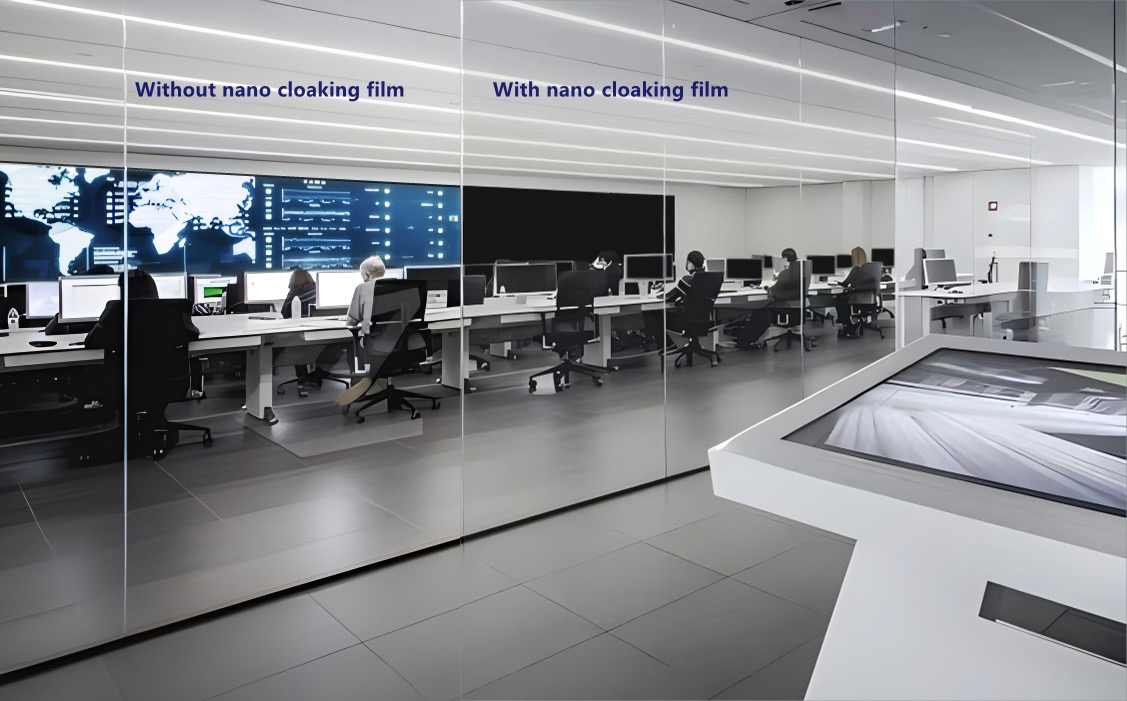
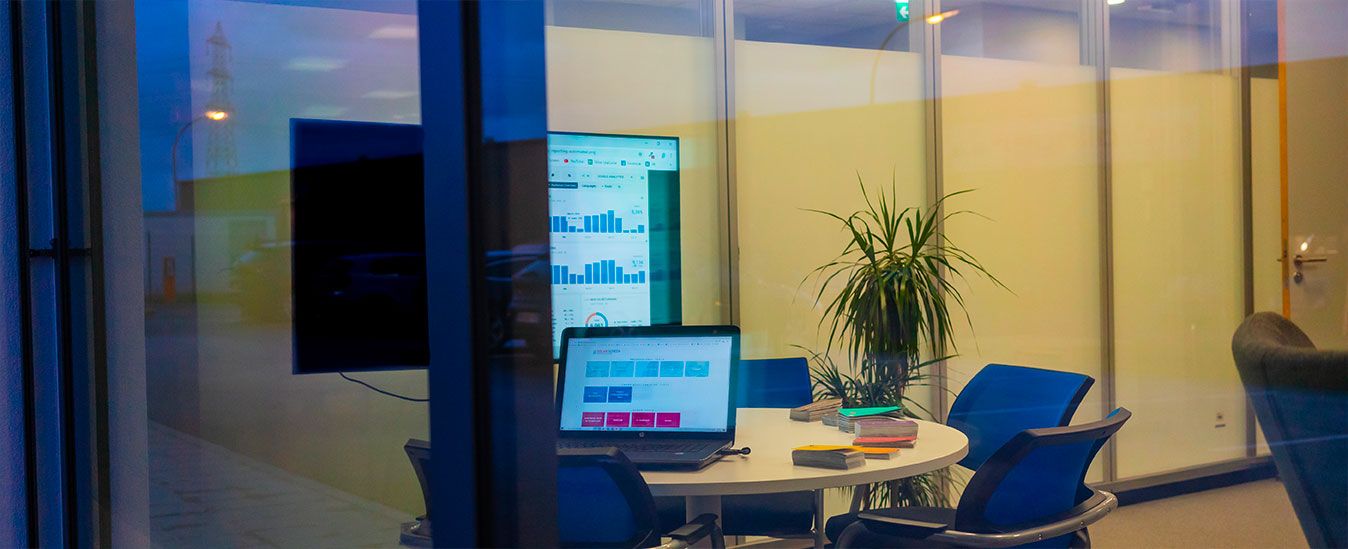
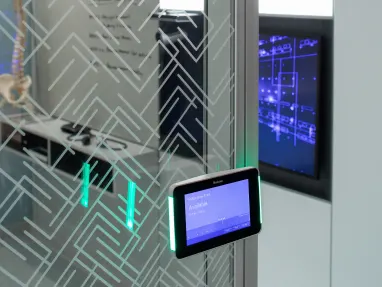
Cloaking Technology  is an architectural film for glass walls that obscures digital screens to outside view. It acts as a smart shield to ensure data privacy, while providing the peace of mind to collaborate freely in any working environment. This is a breakthrough that will unleash space design in the networked modern world.  You have to see it to believe it.

casper cloaking film

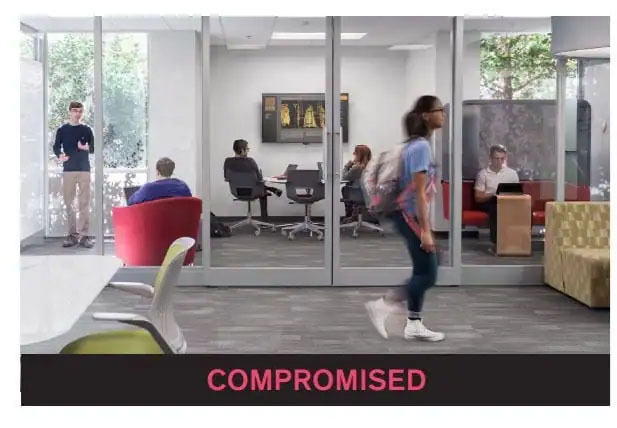
During the meeting,the glass wall is more transparent ,and some datum could be aquired by others department or colleages. While some information need to keep private as to arrange in the company.

casper cloaking film

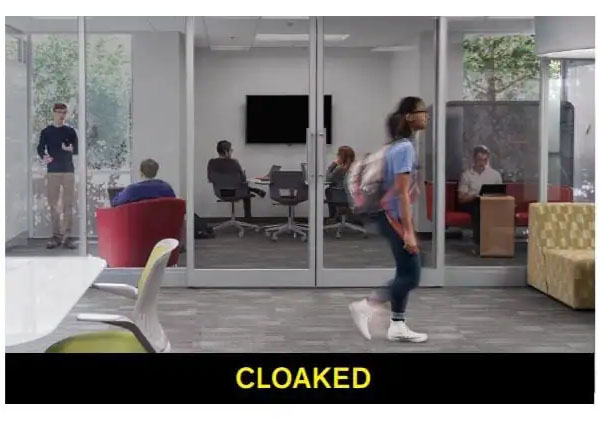
When someone walks by this room,everthing else in the room looks completely normal.While privacy screen have existed for laptops, technology film screen couldn't show any datum and information from outside.Technology could bring it to the architectrual scale.

Cloaking Film's Work


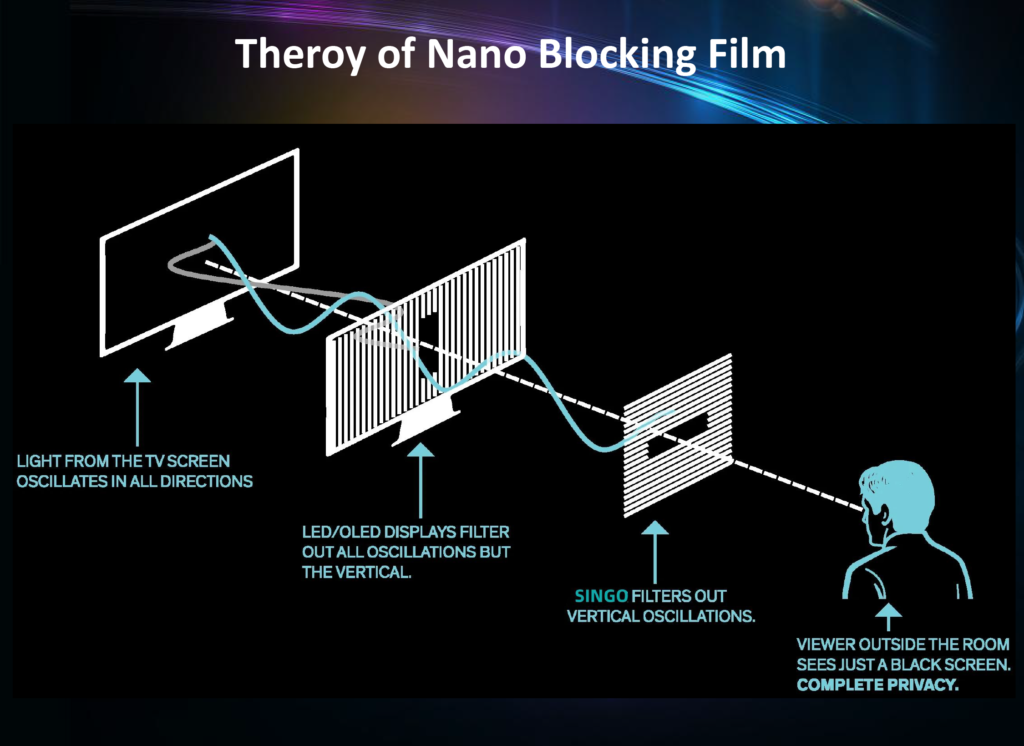
Theories of cloaking discusses various theories based on science and research, for producing an electromagnetic cloaking device. Theories presented employ transformation optics, event cloaking, dipolar scattering cancellation, tunneling light transmittance, sensors and active sources, and acoustic cloaking.

A cloaking device is one where the purpose of the transformation is to hide something, so that a defined region of space is invisibly isolated from passing electromagnetic fields (see Metamaterial cloaking[1][2]) or sound waves. Objects in the defined location are still present, but incident waves are guided around them without being affected by the object itself. Along with this basic "cloaking device", other related concepts have been proposed in peer reviewed, scientific articles, and are discussed here. Naturally, some of the theories discussed here also employ metamaterials, either electromagnetic or acoustic, although often in a different manner than the original demonstration and its successor, the broad-band cloak.
Nano cloaking film parameter

Product Name Nano Cloaking Film Surface Treatment Nano Cloaking Film
Application Architecture Glass Films Orientation 0 Degree (Standard Vertical)
Compatibility LED backlight Liquid Crystal Display Working Environment -5¬+60℃ /90% RH
Length 100 feet(30.5m) Severe Test Environment -30¬+80 ℃/90%RH/12OOH
Width 36/48/54/56/60 inch Storage Environment 10¬30℃ /70%RH
Visible Light Transmittance 42% Packaging & Label Composite Sealing/Sun&Moistrure Proof Warning
Blocking Efficiency 99.95% Effective Warranty 5 Years
Effective Thickness .007+/-.0007 inch Test Report *Reach svhc 263/RoHS
Color Clear Grey *VOC,CA 01350
Waterial PET+Polyvinyl+Triacetate *Flammability,ASTM E84,Class A
Backing Adhesion Acrylic Pressure-sensitive Adhesive *Fire Safety,EN 13501-1
*Flammability,GB 8624-2012

Cloaking film in Projection Display


Cloaking film to protect your data in the office

Secure your screens in the office with adhesive cloaking film
Displays are a risk for exposure to your sensitive data. We've all had those awkward moments when we inadvertently see information or have access to another person's data on a screen next to us.

Industrial espionage is still there! It is important to know that hackers are able to hack with sophisticated lines of code as well as in the simplest way: just by looking at your screen.

With the right security tools, you can keep your data safe and effectively protect your sensitive information from visual hacking.

What information are we hiding?
Passwords, open files on your screen, presentations or data in general, anything confidential on your computer... All this information becomes vulnerable, which is why a maximum level of security is recommended to avoid any prying eyes.

Companies spend a lot of time and effort protecting sensitive information, but many overlook the most rudimentary form of theft, which is glancing at a computer screen. This is the simplest and yet most successful form of hacking in the world.

In this post, we’ll tell you everything you need to know about this sophisticated technology. We’ll take you through answers to the following questions:

How does the Cloaking work?
What does it look like?
What industries use Cloaking film?
How much does it cost to install?
How is it installed?
Is it worth it?
What else should I know about Cloaking Film Technology?

casper cloaking film project cases

More details

casper cloaking film project cases

More details

casper cloaking film project cases

More details

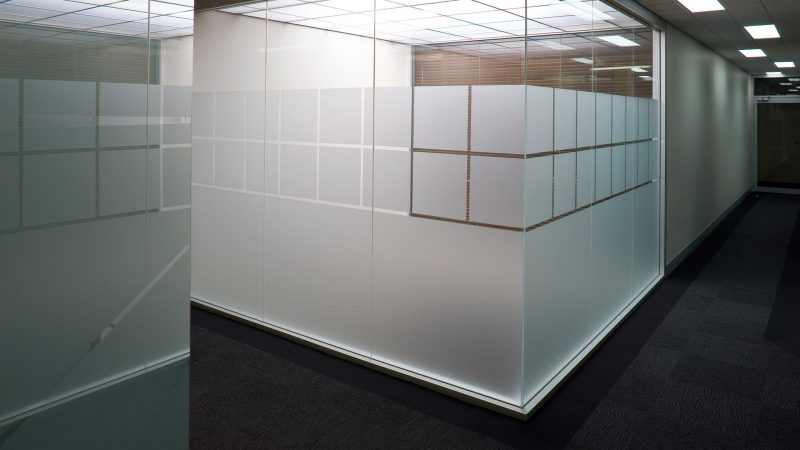
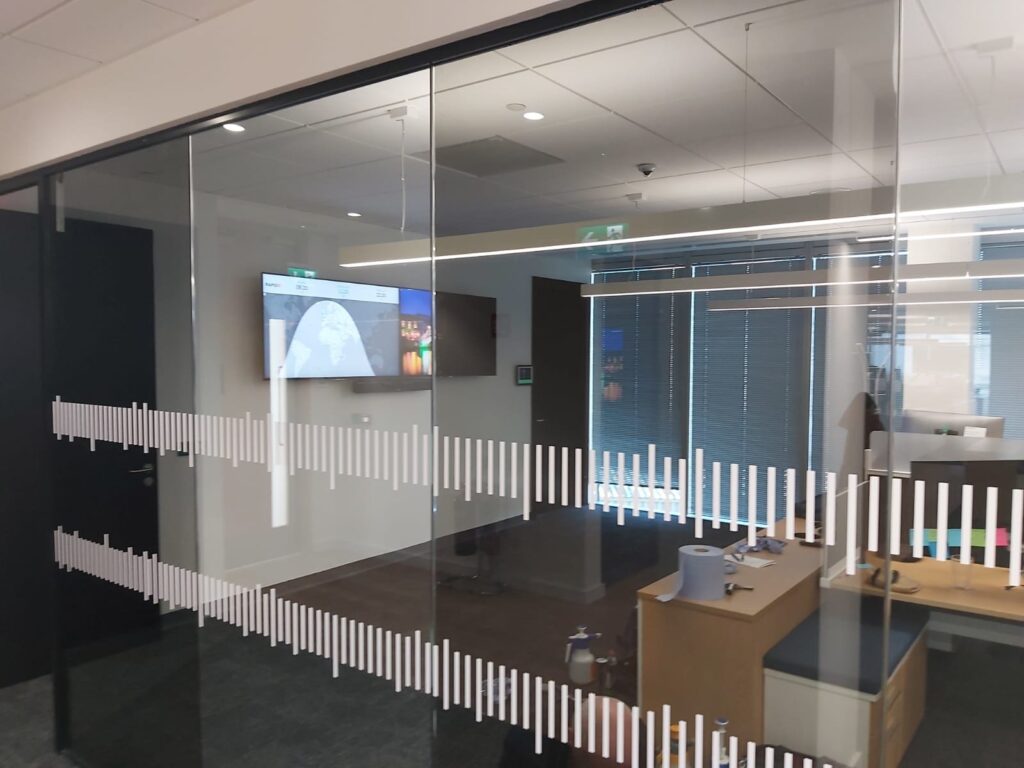
Cloaking film laminating with decoration film


If you want to revamp your commercial space such as offices and private space, Singotech has the window decorating solutions you’re looking for. We are the regional technology window film laminating with  decor film provider in global, utilizing some of the finest window materials in the industry. Discover what our customers have to say about our services.

Contact our team online for more information, or request your free quote today!

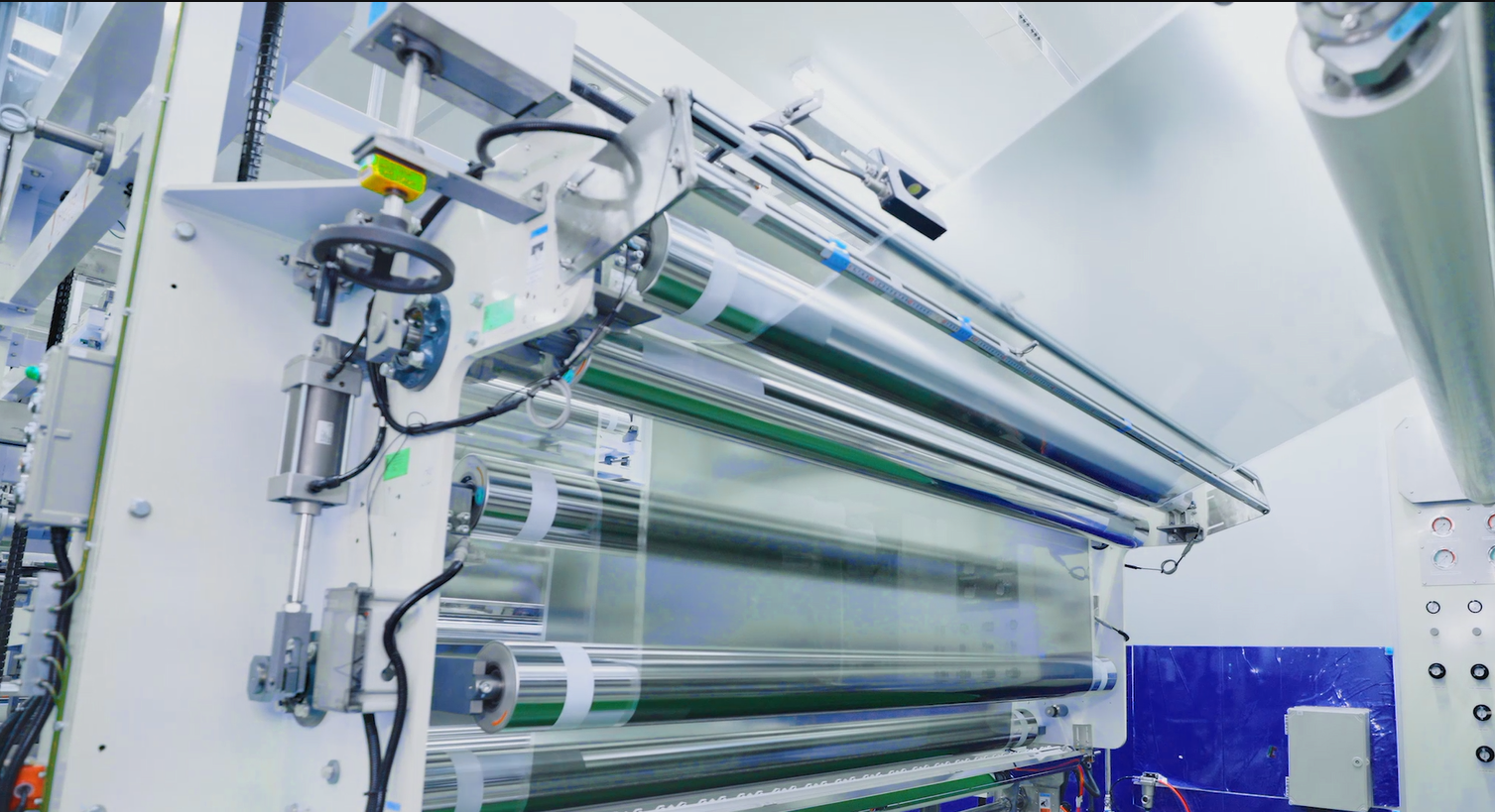
Nano Cloaking Film Factory Galleries


nano cloaking film factory

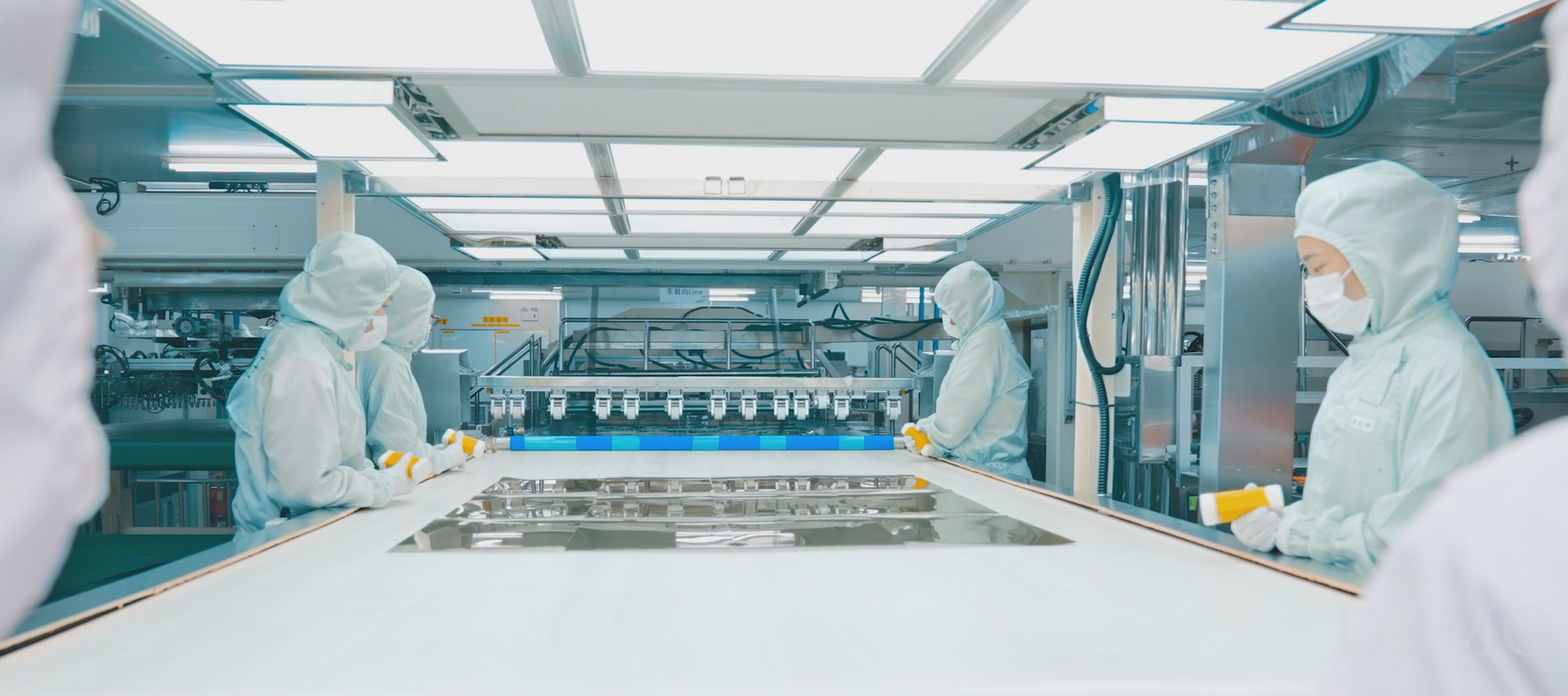
Nano Cloaking Film Checking

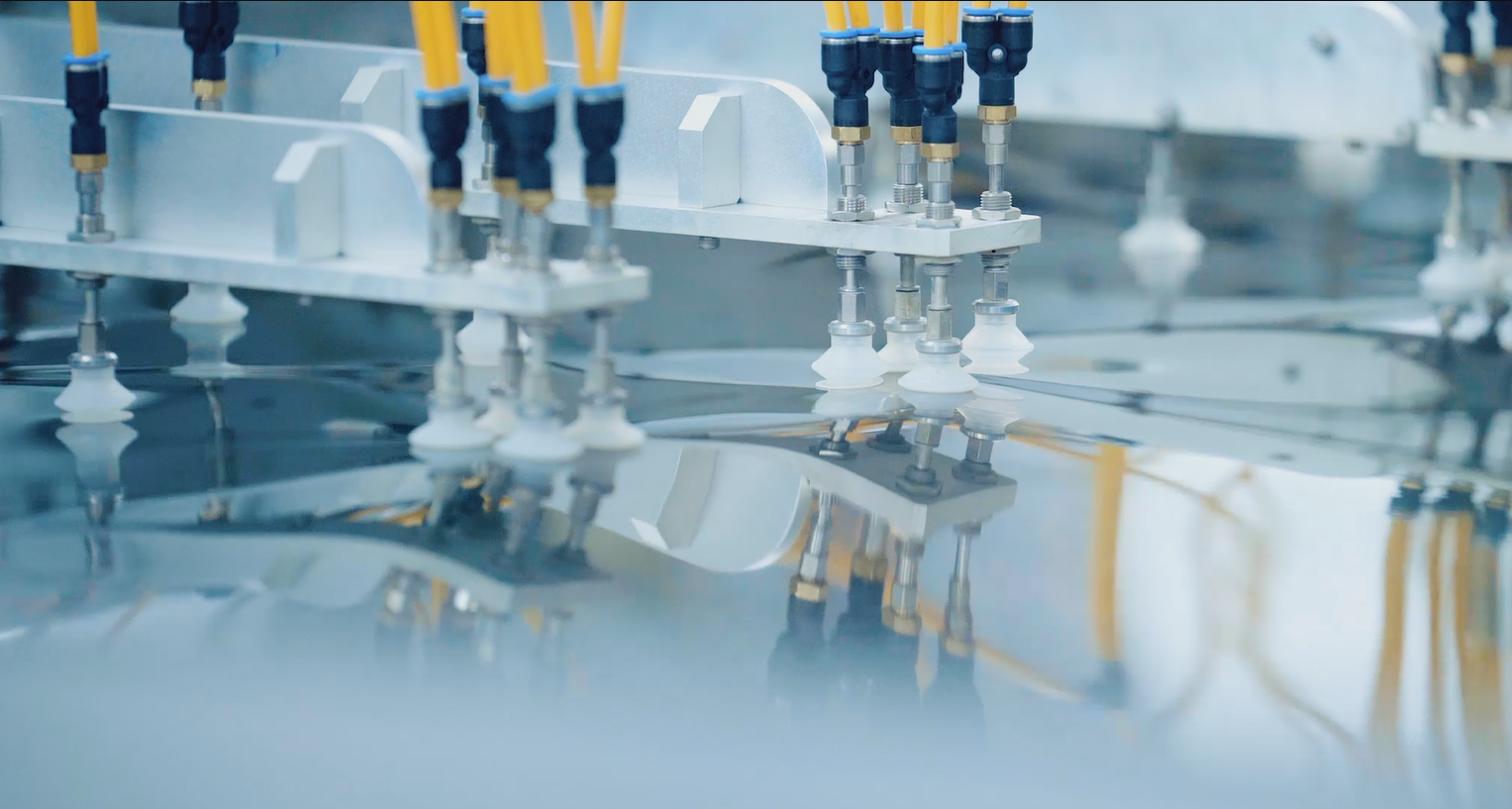
Nano Cloaking Film Coating

Nano cloaking film factory

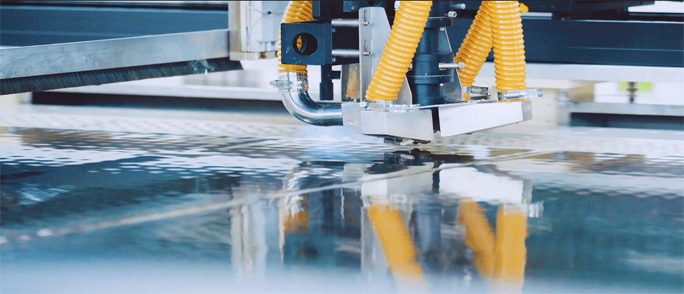
Nano Cloaking Film cutting

nano cloaking film testing

Nano Cloaking Film Testing

Cloaking Film Related Questions


To ensure success for your  project, please review the 5 steps below. You can also view the overview video .
Any questions, please contact marketing@bjsingotech.com

STEP 1:VALIDATE 
The most important step in considering Cloaking film for your project is making sure that it is compatible with your displays and if so, in what orientation the film will need to be installed.Because,it is limited in its ability to cloak some types of displays. It is designed to work with LED screens 40” wider. Displays smaller than this dimension may or may not cloak. Also, it will not cloak most touchscreen,phone screens and other smaller devices.

view the videos


STEP2:CONSIDER

When considering cloaking film for your space, there are a few things to keep in mind:it can change opacity depending on the viewing angle; it will not be fully opaque in all circumstances. The worst case scenarios are when the viewer is very close to the glass and viewing at an extreme angle. The addition of Graphic can help alleviate this issue.To test, place the sample in several locations on the glass and note the appearance.